⬡PHYSICIAN
INTELLIGENCE
AI Twin with Embodiment

From Recommendations to Supported,
Observable Physical Action.

Connecting professional intelligence with the physical world.

Professional advice alone does not guarantee meaningful action. People may understand what they need to do but struggle to start, complete or sustain an intervention.

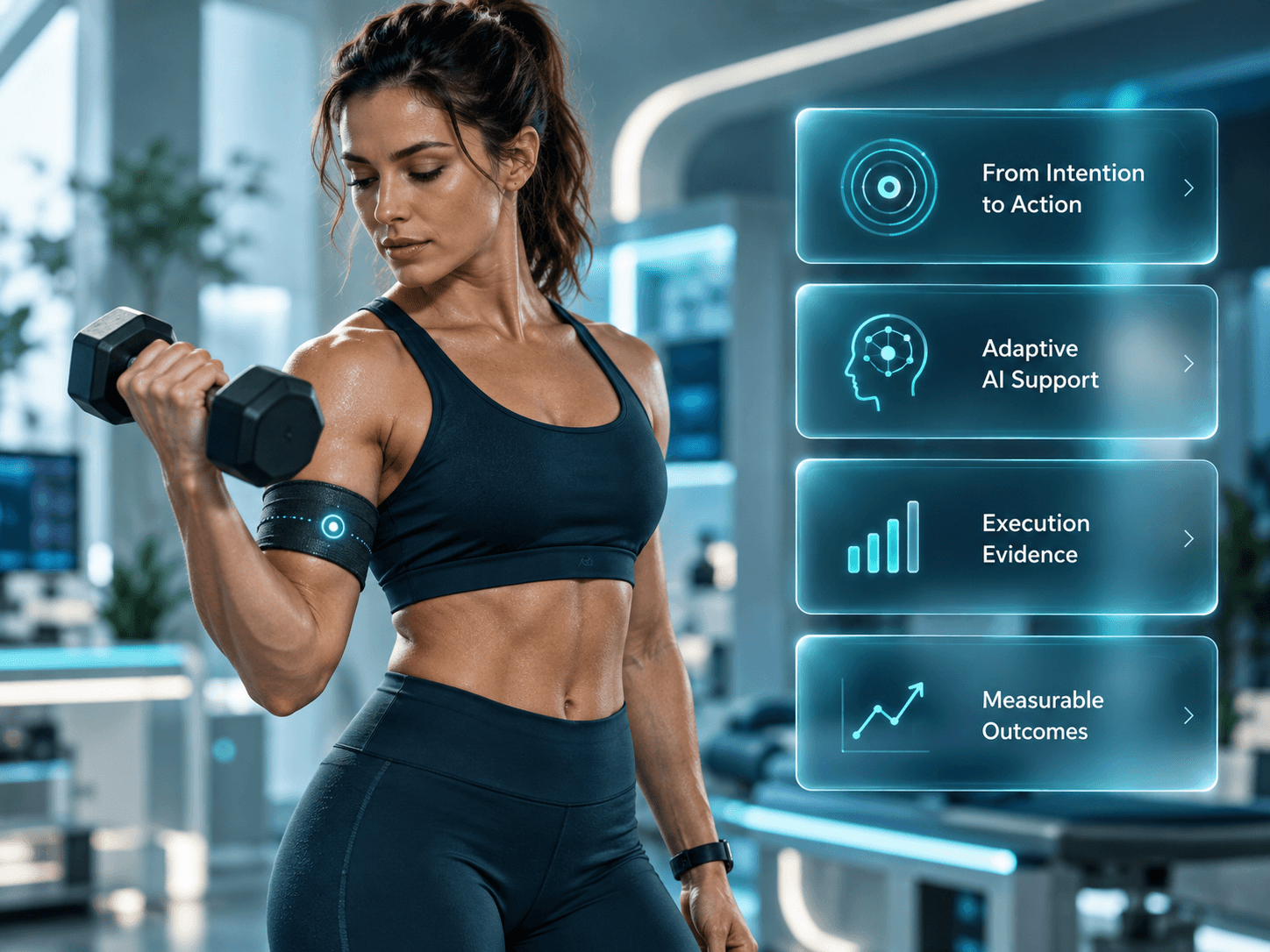
Person performing supported strength activity with wearable sensing

Our collaboration projects investigate how Adaptive AI, combined with appropriate wearable sensing, haptic feedback and physical assistance, can help bridge this gap.

Starting from professionally defined objectives, the service supports the next permitted action while keeping physicians and physiotherapists in control of professional decisions.

Our Software-Service Foundation

Green Code™ — Service as Software

Green Code™ is our first GLP-1-specific software service. It demonstrates how Physician Intelligence can support daily routines, behaviour change, execution reporting and professional oversight without requiring a wearable device.

It provides a service reference against which the additional value of embodiment can be evaluated.

Explore Green Code →
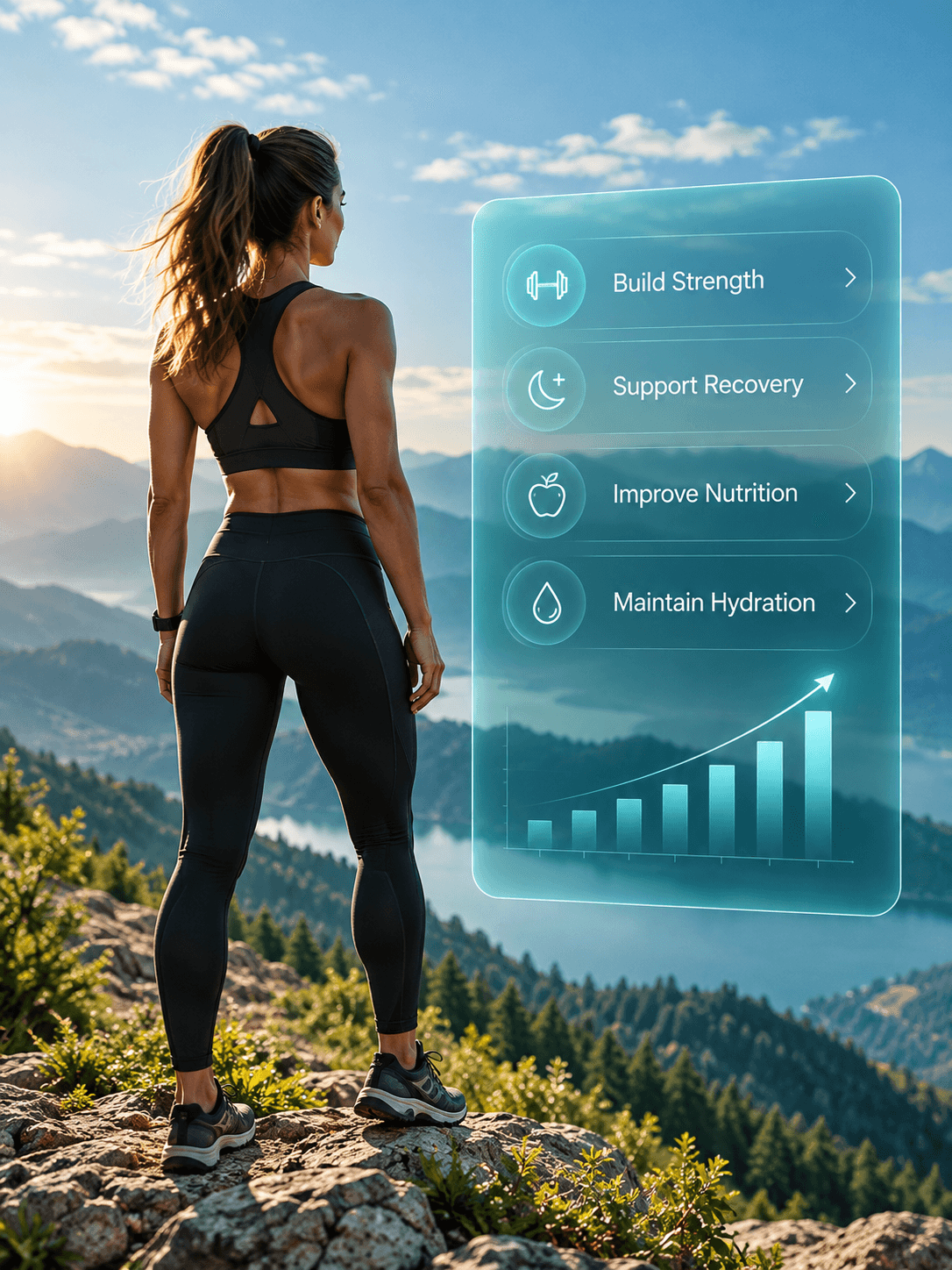
Green Code — Build Strength, Support Recovery, Improve Nutrition, Maintain Hydration
Flagship Collaboration Projects

Two Exploratory Applications

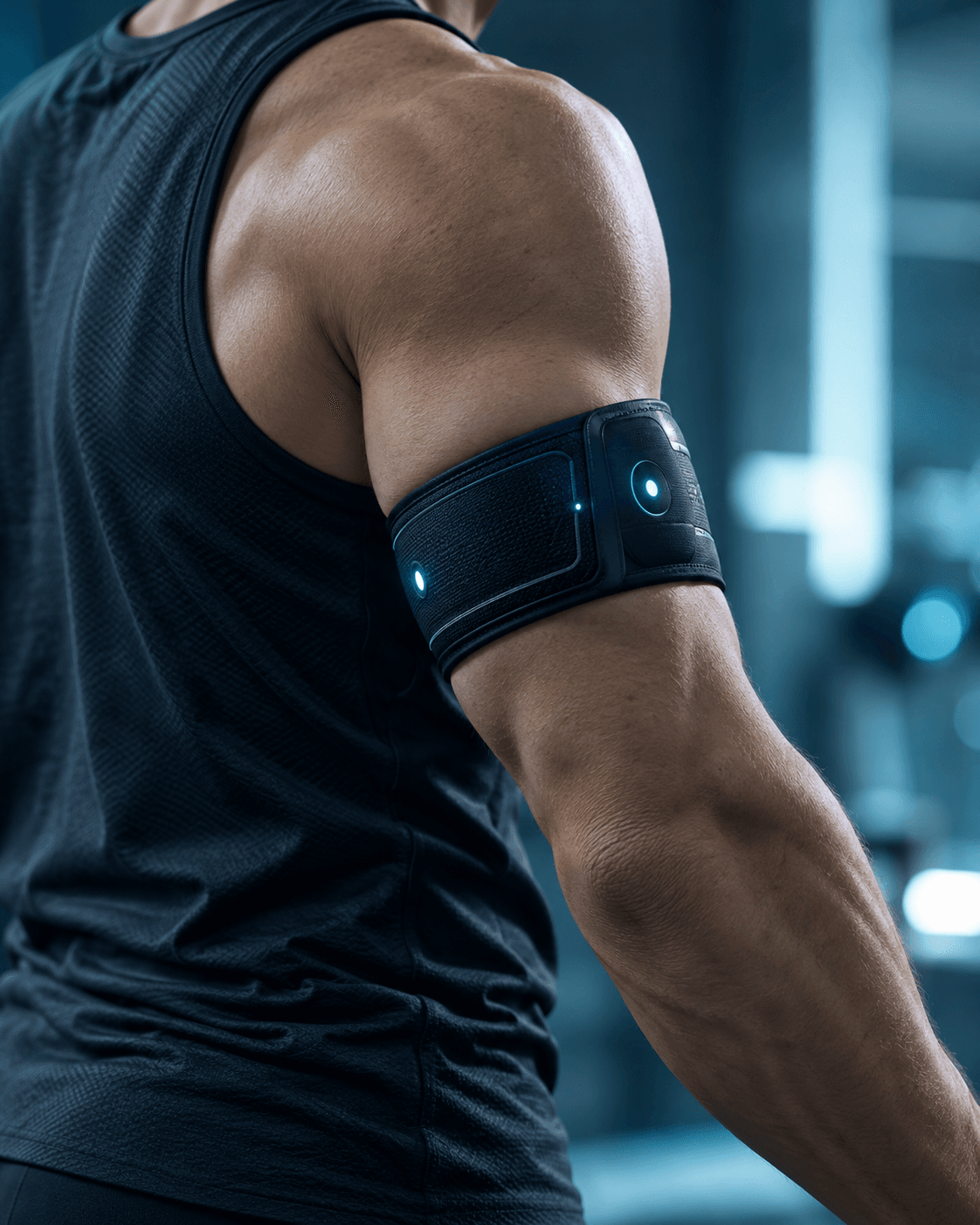
Adjustable Textile Band concept for resistance training
01

Adaptive AI ATB

Physician AI Twin™ with Embodiment

Exploring how an Adjustable Textile Band (ATB) can help people receiving clinician-managed GLP-1 therapy turn resistance-training intention into supported, observable physical action.

Adaptive interaction may help users initiate a session, recognise task-specific execution evidence, receive bounded feedback and return to the next physician-approved activity.

Research focus

Initiation, adherence, verified task completion and functional outcomes, including the incremental value of ATB compared with the Green Code software-only service.
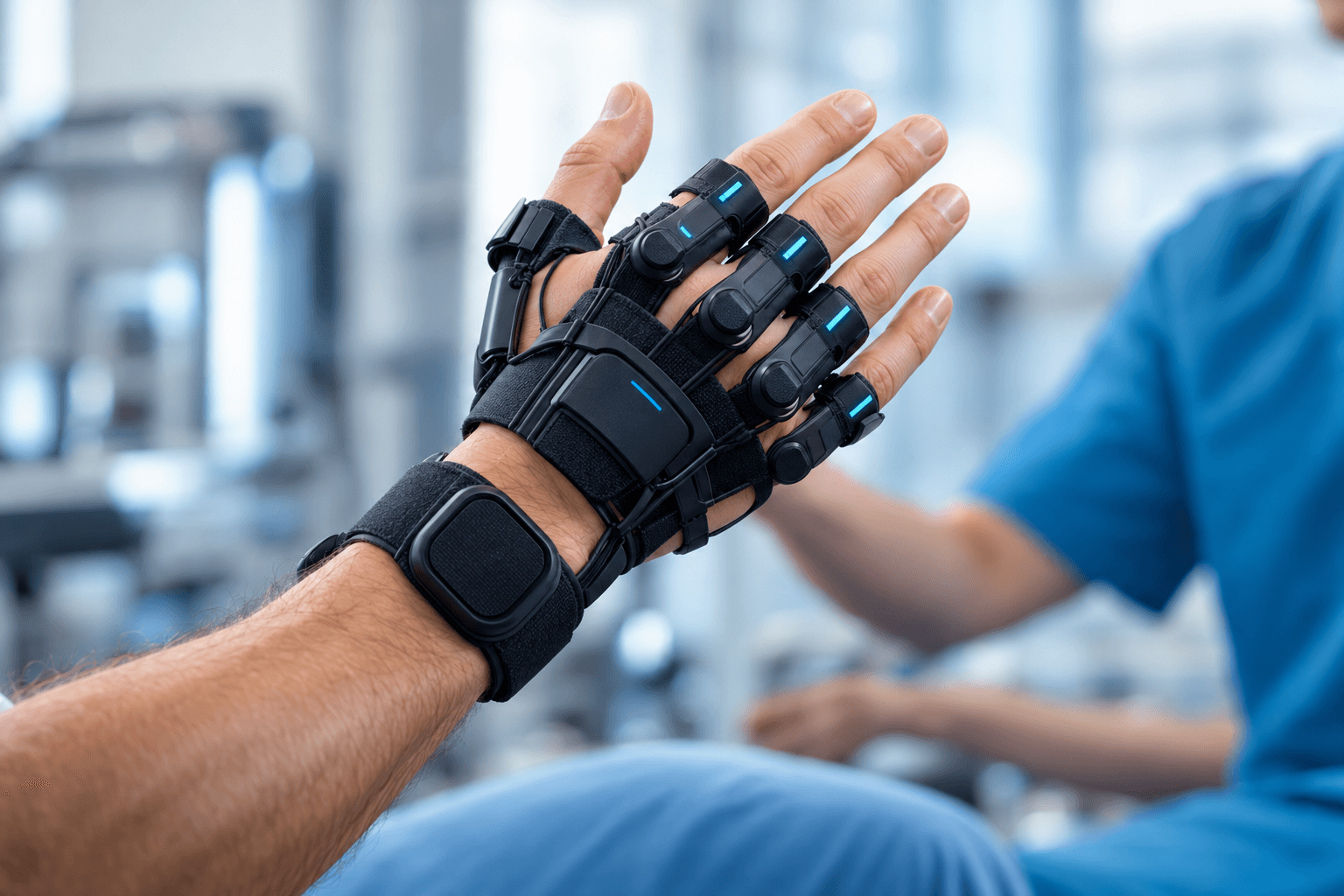
Soft hand exoskeleton concept for stroke rehabilitation
02

Adaptive AI Soft Hand Exoskeleton

Physiotherapist AI Twin™ with Embodiment

Exploring how therapist-governed sensing, feedback and controlled assistance can support repeated, meaningful hand practice after stroke.

Adaptive AI may recognise attempts and execution states, identify uncertainty and support the next permitted action within therapist-defined boundaries.

Research focus

Meaningful repetition, safe task performance, hand function, therapist workload and the added value of sensing, feedback or assistance. Active assistance requires device-specific safety and clinical validation.

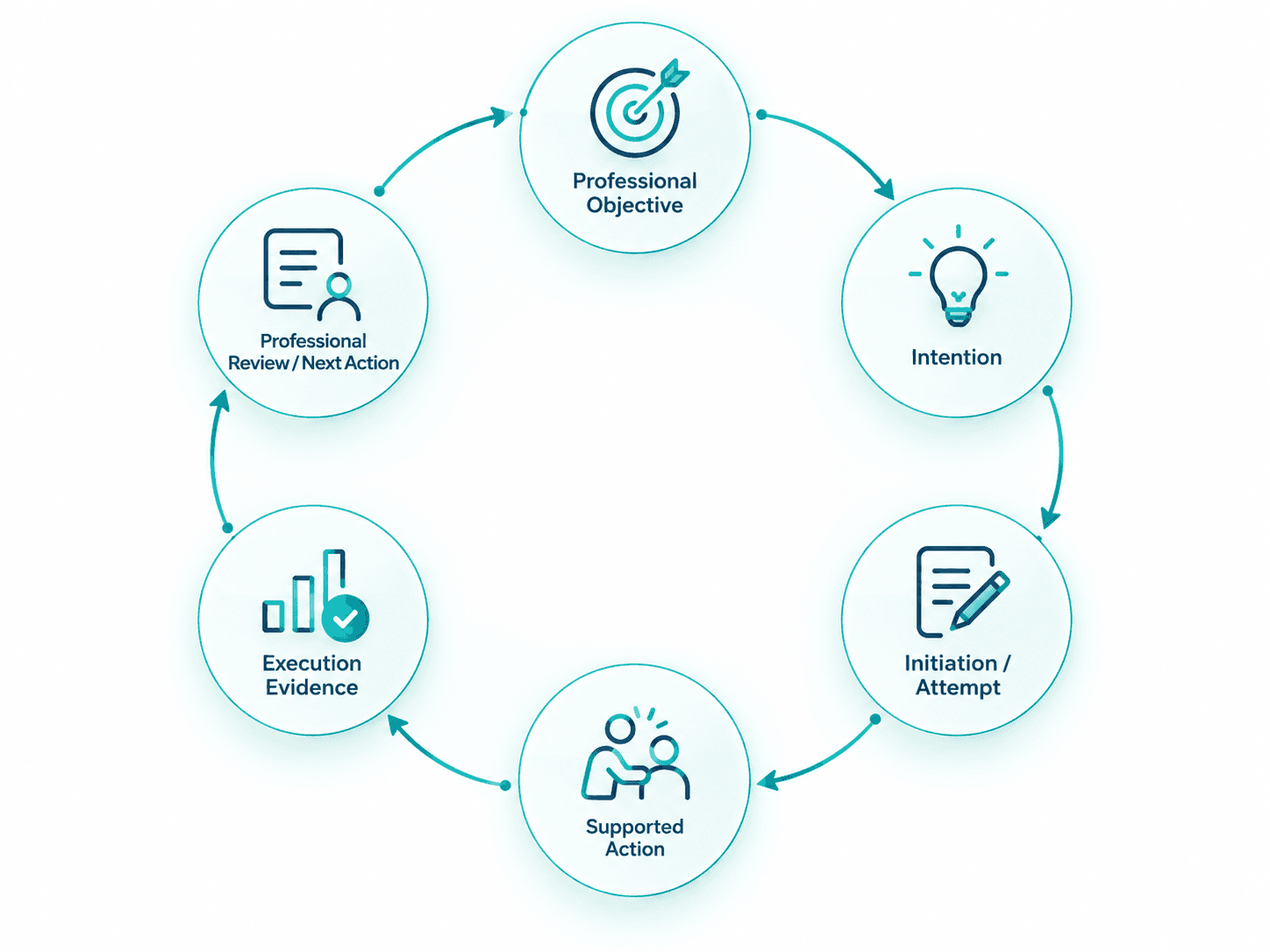
Shared Service Loop

From Intention to Supported Action.

Adaptation remains within approved professional limits and responds to available evidence and uncertainty.

Service loop: Professional Objective → Intention → Initiation → Supported Action → Execution Evidence → Review
Industry

Industry Collaboration

We invite wearable manufacturers, sensor developers, haptics companies, robotics partners and rehabilitation technology providers to investigate how their devices can contribute to meaningful Human–AI services.

Device integration and execution claims require task-specific technical and clinical validation. A movement signal alone does not establish improved strength or clinical benefit.

Explore Collaboration Projects →
⌚

Wearable Manufacturers

📡

Sensor Developers

🤲

Haptics Companies

🤖

Robotics Partners

🏥

Rehabilitation Technology

Research and claims notice: Research and claims notice: These are exploratory collaboration projects. Adaptive AI does not independently diagnose, prescribe or determine clinical progression. ATB sensing requires task- and placement-specific validation. The Soft Hand Exoskeleton is not presented as a proven therapy or cleared medical device. Any proposed research collaboration is subject to appropriate agreements, safety review and validation.

Our Collaboration Ambition

Working Together for Greater Impact.

We bring together physicians, physiotherapists, wearable-device companies, robotics developers, research institutions and healthcare providers to develop and evaluate Human–AI services that move beyond recommendations towards meaningful physical participation and measurable functional outcomes.

Working together for greater impact